

Unpacking the impact of trauma on your brain and body
Trauma goes beyond thoughts and feelings, profoundly reshaping both the brain and the body. Explore how biopsychological processes influence fear responses, memory, and stress regulation, and how these changes contribute to the ongoing symptoms of PTSD. Discover the science behind the experience.
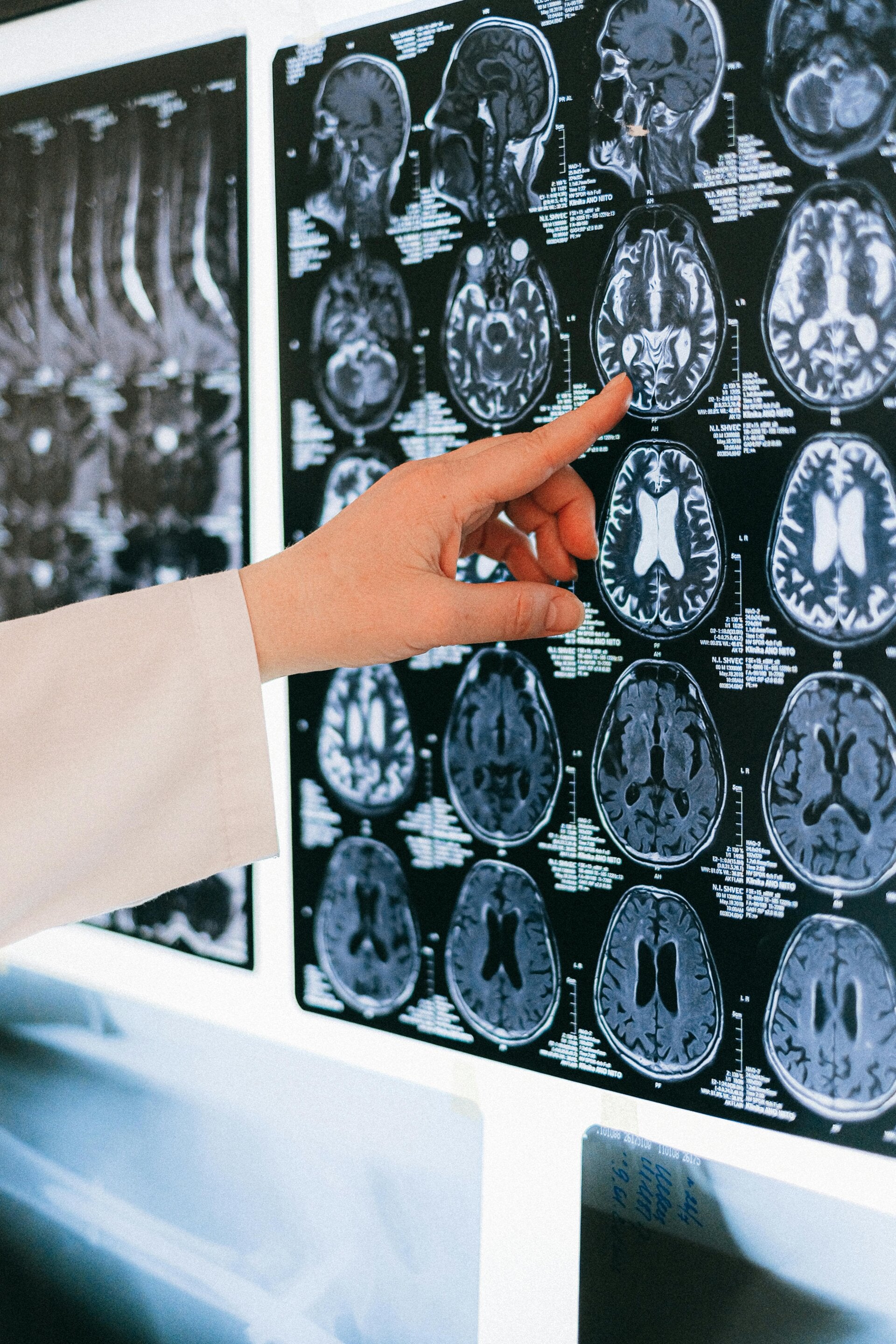
Brain's response to trauma: a closer look
Trauma leaves a significant imprint on key brain regions responsible for emotion, memory, and decision-making. The amygdala, often referred to as the brain's "fear centre," becomes hyperactive, leading to heightened threat detection and rapid, intense fear responses. This can manifest as hypervigilance, where you're constantly on alert, even when safe. The hippocampus, vital for memory formation and recall, can be affected, leading to fragmented or intrusive traumatic memories, often experienced as flashbacks. Meanwhile, the prefrontal cortex, responsible for regulating emotions and executive functions, may show reduced activity, making emotional control and rational decision-making more challenging. These changes collectively alter neural functioning and stress responses, impacting how you perceive and react to the world around you.

How learning shapes trauma responses
Learning theory provides a powerful lens through which to understand the persistence of PTSD symptoms. Classical conditioning plays a crucial role in developing fear responses, where neutral stimuli (like a sound or a smell) become associated with a traumatic event, triggering intense fear. This leads to fear learning, making you react strongly to perceived threats. Avoidance behaviours often develop as a way to reduce anxiety, but this provides negative reinforcement, strengthening the avoidance and preventing new learning that the perceived threat is actually safe. While challenging, extinction learning, where new associations are formed to break the link between triggers and fear, is a key component of effective treatment.

Real-life impacts of brain and learning changes
To truly grasp these concepts, consider these scenarios: Imagine a veteran who hears the sudden bang of fireworks. If this sound has become conditioned to combat trauma, their amygdala might activate intensely, triggering a panic response, even though they are safe at home. Similarly, a car accident survivor might experience intense anxiety and their heart racing simply from hearing screeching tyres or approaching intersections – the brain has linked these sounds to danger. Another example is someone who experienced a traumatic public event. They might start avoiding crowded places because, initially, staying away reduces their anxiety. This temporary relief reinforces the avoidance, making it harder to re-engage with social situations. These examples illustrate how the brain's altered responses and learned behaviours contribute to symptoms like hypervigilance, flashbacks, emotional dysregulation, and avoidance.
Create Your Own Website With Webador